
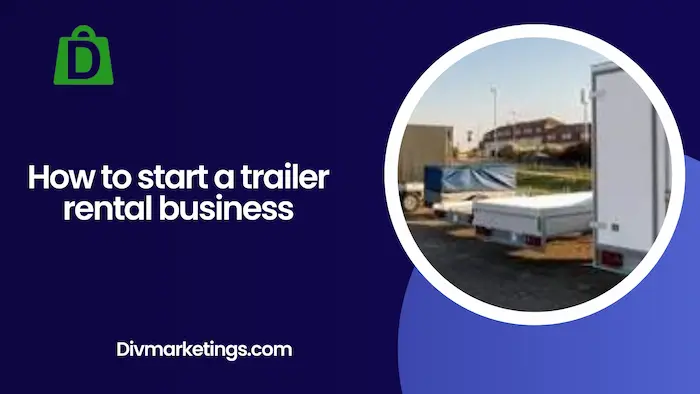
How to Start a Trailer Rental Business: Your Complete Guide to Building a Profitable Rental Enterprise
The trailer rental industry represents a lucrative entrepreneurial opportunity serving diverse customer needs across residential, commercial, agricultural, and industrial sectors. Valued at $10.5 billion in 2024 and projected to reach $15.8 billion by 2033 with a steady 5.5% annual growth rate, the market demonstrates consistent demand for temporary trailer access. From homeowners moving furniture and landscapers hauling materials to contractors transporting equipment and businesses relocating inventory, countless individuals and organizations need trailers regularly but prefer renting over ownership costs and storage hassles.
Starting a trailer rental business offers several compelling advantages including relatively low initial investment compared to other equipment rental sectors, versatile customer base spanning multiple industries, scalable operations from single trailer to large fleet, recurring revenue potential, and minimal ongoing operational complexity. However, success requires more than purchasing trailers and waiting for customers. Profitability demands strategic planning, proper market research, adequate capitalization, effective fleet management, competitive pricing, comprehensive insurance coverage, and consistent marketing attracting steady rental demand. This comprehensive guide provides the essential knowledge, proven strategies, and actionable steps needed to launch and grow a thriving trailer rental business.
Understanding the Trailer Rental Business Landscape
The trailer rental industry serves diverse customer segments with varying needs, rental durations, and budget requirements.
Primary Trailer Types and Applications
Utility Trailers: Lightweight, versatile open or enclosed trailers (typically 5×8 to 6×12 feet) used for everyday tasks including moving furniture, hauling supplies, transporting appliances, yard waste removal, and general purpose hauling. Utility trailers represent the most popular rental category with broad market appeal.
Purchase Cost: $1,000 to $4,000
Typical Rental Rates: $30 to $75 per day
Dump Trailers: Hydraulic-lift trailers designed for heavy loads including soil, gravel, construction debris, landscaping materials, and waste removal. Dump trailers serve contractors, landscapers, and homeowners undertaking significant projects.
Purchase Cost: $3,000 to $12,000
Typical Rental Rates: $75 to $150 per day
Enclosed Cargo Trailers: Fully enclosed trailers (6×10 to 8×16 feet) protecting contents from weather and theft during transport. Used for moving household goods, business inventory, equipment, and valuable items requiring secure transport.
Purchase Cost: $3,000 to $8,000
Typical Rental Rates: $50 to $100 per day
Flatbed Trailers: Open platform trailers accommodating oversized, oddly shaped, or heavy items including vehicles, machinery, building materials, ATVs, and large equipment. Flatbed trailers typically feature ramps enabling vehicle loading.
Purchase Cost: $2,000 to $8,000
Typical Rental Rates: $40 to $90 per day
Car Hauler Trailers: Specialized trailers designed for safely transporting vehicles including cars, trucks, motorcycles, ATVs, and small equipment. Feature wheel guides, tie-down points, and proper weight distribution systems.
Purchase Cost: $2,500 to $10,000
Typical Rental Rates: $60 to $120 per day
Specialty Trailers: Niche equipment serving specific purposes including livestock trailers, equipment trailers, concession trailers, boat trailers, motorcycle trailers, and custom-built units addressing particular industry needs.
Purchase Cost: $3,000 to $20,000+
Typical Rental Rates: $75 to $200+ per day
Target Customer Segments
Homeowners and Residential Customers: Moving furniture, hauling yard waste, transporting purchases from home improvement stores, disposing of renovation debris, or relocating households.
Small Businesses: Landscaping companies, contractors, retail stores, restaurants, service providers, and small enterprises needing temporary transportation capacity without full ownership costs.
Construction and Contractors: Building contractors, remodelers, electricians, plumbers, and trades professionals transporting tools, materials, and equipment to job sites.
Agricultural Operations: Farmers and ranchers hauling feed, livestock, equipment, and agricultural supplies across properties or to markets.
Event Organizers: Transporting equipment, supplies, decorations, and materials for weddings, festivals, corporate events, or community gatherings.
DIY Enthusiasts: Hobbyists and project-focused individuals undertaking home improvements, yard projects, or recreational activities requiring temporary trailer access.
Step-by-Step Guide to Starting Your Trailer Rental Business
Step 1: Conduct Comprehensive Market Research
Understanding local demand, competition, and customer needs prevents costly mistakes while identifying profitable opportunities.
Market Analysis Components:
Demand Assessment: Research population demographics, housing turnover rates, construction activity, agricultural presence, local industries, and seasonal patterns influencing trailer needs. Urban areas with high population turnover generate moving demand while rural regions may emphasize agricultural and landscaping use.
Competitor Analysis: Identify existing trailer rental providers including national chains (U-Haul, Home Depot, Menards), local rental companies, equipment rental businesses, and peer-to-peer platforms. Analyze their fleet composition, pricing structures, service areas, customer reviews, and operational models identifying gaps and opportunities.
Customer Research: Survey potential customers, speak with local businesses, visit hardware stores and landscaping suppliers, join community groups, and conduct online research understanding when and why people rent trailers in your area.
Seasonal Patterns: Identify peak demand periods (typically spring through fall for residential moves, landscaping, and construction) and slower seasons requiring different pricing or marketing strategies.
Niche Opportunities: Look for underserved segments including specialized trailers with limited availability, delivery services competitors don’t offer, extended rental periods, or unique customer groups with specific needs.
Step 2: Develop Comprehensive Business Plan
Detailed planning provides roadmap guiding decisions while demonstrating viability to lenders and investors.
Essential Business Plan Components:
Executive Summary: Overview of business concept, target market, competitive advantages, and financial projections.
Business Description: Mission statement, business structure, location, services offered, and unique value proposition.
Market Analysis: Industry trends, target customer demographics, competitive landscape, market size, demand drivers, and growth opportunities.
Fleet Strategy: Initial trailer inventory, expansion plans, trailer types prioritized, acquisition strategy (purchase new vs. used), and capacity planning.
Pricing Strategy: Rental rate structures (hourly, daily, weekly, monthly), competitive positioning, seasonal adjustments, damage deposits, and additional fees.
Operations Plan: Storage location, fleet maintenance procedures, customer service protocols, booking systems, delivery capabilities, and operational workflows.
Marketing Strategy: Customer acquisition tactics, digital presence, advertising channels, partnership development, and brand positioning.
Financial Projections: Startup costs, revenue forecasts, expense budgets, profit projections, cash flow statements, break-even analysis, and return on investment calculations spanning 3-5 years.
Step 3: Choose Business Structure and Register Legally
Proper legal formation protects personal assets while establishing professional credibility.
Business Structure Options:
Limited Liability Company (LLC): Most popular choice for rental businesses, providing liability protection separating business and personal assets while maintaining operational flexibility and favorable taxation. LLCs protect personal assets from business debts, accidents, or legal claims—critical given liability risks in rental operations.
Sole Proprietorship: Simplest structure but offers no liability protection exposing personal assets to business risks. Not recommended given significant liability exposure when customers use rented equipment.
S-Corporation: Provides liability protection with potential self-employment tax savings for profitable operations. Requires additional administrative compliance.
Partnership: Multiple owners sharing responsibilities, profits, and losses. Requires partnership agreements clarifying roles, responsibilities, and profit distribution.
Registration Requirements:
- Business name selection and trademark registration
- Entity formation filing with Secretary of State
- Employer Identification Number (EIN) from IRS
- Business bank account opening
- Business credit card establishment
- State and local business license acquisition
- Trade name registration (DBA if operating under different name)
- Zoning permits (if storing trailers on property)
Consult with business attorneys and accountants ensuring proper setup understanding tax implications and liability protection.
Step 4: Secure Adequate Financing
Trailer rental businesses require capital for initial fleet acquisition, insurance, operational setup, and working capital reserves.
Typical Startup Investment Requirements:
Small Operation (3-6 Trailers): $15,000 to $30,000
- Initial trailer purchases: $10,000 to $20,000
- Insurance and licensing: $2,000 to $4,000
- Marketing and website: $1,000 to $2,000
- Working capital: $2,000 to $4,000
Medium Operation (10-15 Trailers): $35,000 to $65,000
- Expanded fleet inventory
- Storage facility rental
- Enhanced insurance coverage
- Professional website and booking system
- Marketing campaign investment
Large Operation (20+ Trailers): $75,000 to $150,000+
- Comprehensive diverse fleet
- Dedicated storage facility
- Delivery vehicles and equipment
- Full-time staff hiring
- Robust technology infrastructure
Financing Options:
- Personal savings and investments
- Small Business Administration (SBA) loans
- Equipment financing and leasing
- Business lines of credit
- Partnerships or investor capital
- Credit union or community bank loans
- Home equity lines of credit
Step 5: Obtain Necessary Insurance Coverage
Rental operations involve significant liability requiring comprehensive insurance protection.
Essential Insurance Coverage:
General Liability Insurance: Covers bodily injury and property damage claims arising from rental operations including accidents involving rented trailers. Typical coverage: $1,000,000 to $2,000,000.
Cost: $1,500 to $4,000 annually depending on fleet size and coverage limits.
Commercial Property Insurance: Protects trailer fleet from theft, vandalism, fire, or weather damage while in storage or being rented.
Cost: $1,000 to $3,000 annually per $50,000 of equipment value.
Garage Keepers Liability: Covers customer property (trailer contents) damaged while under your care, custody, or control.
Commercial Auto Insurance: If providing delivery services, covers business vehicles transporting trailers to/from customer locations.
Inland Marine Insurance: Covers trailers during transit and rental periods protecting against theft, damage, or loss.
Umbrella Liability: Additional coverage beyond primary policies providing extra protection against catastrophic claims.
Insurance represents substantial ongoing expense but absolutely essential protecting against significant financial losses from accidents, injuries, or equipment damage.
Step 6: Acquire Initial Fleet
Strategic fleet composition balances market demand, investment capacity, and revenue potential.
Fleet Acquisition Strategy:
Start with Versatile Core Fleet: Purchase 3-6 utility trailers addressing broadest customer base. Small open trailers (5×8 feet) offer lowest entry investment while serving most common rental needs.
Purchase New vs. Used:
New Trailers: Higher initial cost but includes warranties, better condition, professional appearance, and lower maintenance initially. New trailers build customer confidence and reduce early operational issues.
Used Trailers: Lower purchase prices (40-60% below new) but require thorough pre-purchase inspection, may need immediate repairs, shorter remaining useful life, and potentially higher maintenance costs.
Prioritize Condition and Safety: Whether new or used, ensure trailers meet safety standards including functional lights, brakes, tires, hitches, safety chains, and proper registration. Poor condition trailers create liability risks and customer dissatisfaction.
Diversify Gradually: After establishing base operations with utility trailers, expand to specialized units based on customer demand patterns, seasonal needs, and revenue analysis identifying most profitable trailer types.
Essential Trailer Features:
- Proper lighting systems (brake, turn, running lights)
- Safety chains and emergency breakaway systems
- Quality tires with adequate tread
- Functional braking systems (electric brakes on larger units)
- Proper hitch balls and couplers
- Tie-down points and securing equipment
- Registration and license plates
- Trailer identification numbers and branding
Step 7: Establish Storage and Operations Facility
Secure, accessible storage protects fleet investment while enabling efficient operations.
Facility Options:
Home-Based Storage: If zoning permits and space allows, storing trailers on residential property minimizes overhead costs. Verify local regulations permit home-based rental businesses and trailer storage.
Commercial Storage Yards: Renting space at storage facilities, commercial lots, or equipment yards provides secure storage with appropriate zoning. Monthly costs: $200 to $1,000+ depending on location and space.
Dedicated Rental Location: Retail visibility locations with customer parking, office space, and prominent signage attract walk-in customers. Higher costs ($1,000 to $3,000+ monthly) but enhanced marketing presence.
Facility Requirements:
- Adequate space for fleet storage and maneuvering
- Security fencing, lighting, and surveillance
- Accessible location convenient for customers
- Proper zoning for commercial rental operations
- Weather protection considerations (covered storage for enclosed trailers)
- Office/customer service area (for retail locations)
Step 8: Implement Technology and Booking Systems
Modern rental management software streamlines operations, enhances customer experience, and maximizes profitability.
Essential Technology Components:
Online Booking System: Professional website with real-time availability display, online reservation capabilities, payment processing, automated confirmations, and customer account management. Platforms like RentMy, Booqable, or specialized trailer rental software automate booking workflows.
Fleet Management Software: Track inventory, monitor utilization rates, schedule maintenance, manage customer data, process payments, generate invoices, and analyze financial performance.
Payment Processing: Secure credit card processing, damage deposit collection and refunds, automated billing, and integrated accounting reducing manual transaction handling.
Communication Automation: Automated booking confirmations, pickup reminders, rental agreements, return instructions, and post-rental feedback requests improving customer experience while reducing administrative burden.
GPS Tracking (Optional): For higher-value trailers, GPS monitoring prevents theft, tracks location, and provides recovery capabilities if trailers aren’t returned as scheduled.
Step 9: Establish Pricing Strategy
Strategic pricing balances competitiveness, profitability, and perceived value.
Pricing Models:
Daily Rates: Standard pricing structure charging fixed amount per 24-hour period. Most common approach providing simplicity for customers and operators.
Hourly Rates: For short-term rentals (4-8 hours) serving quick projects or pickups. Typically 40-50% of daily rate.
Weekly Rates: Discounted pricing for 7-day rentals (typically 5-6x daily rate) attracting extended projects while ensuring utilization.
Monthly Rates: Further discounted long-term pricing (typically 15-20x daily rate) serving contractors, businesses, or extended projects.
Pricing Considerations:
- Calculate all costs including trailer purchase depreciation, maintenance, insurance, storage, overhead, and desired profit margin
- Research competitor pricing in local market
- Consider trailer type, size, and features when setting rates
- Adjust pricing seasonally (premium during peak demand, discounts during slow periods)
- Damage deposits ($100 to $300) protecting against loss or excessive damage
- Additional fees for delivery, mileage, cleaning, late returns, or extra equipment
Target Profitability: Aim to recover trailer purchase cost through rental income within 18-36 months depending on utilization rates.
Step 10: Develop Marketing and Customer Acquisition Strategy
Consistent customer demand determines business success or failure.
Effective Marketing Tactics:
Digital Marketing:
- Professional website optimized for local SEO ranking for “trailer rental [city]” searches
- Google Business Profile with photos, reviews, and accurate information
- Social media presence (Facebook, Instagram) sharing customer projects and availability
- Online advertising (Google Ads, Facebook Ads) targeting local audiences
- Email marketing to past customers announcing availability and promotions
Local Partnerships:
- Hardware stores, home improvement centers, and building supply businesses referring customers
- Landscaping companies, contractors, and service businesses renting regularly
- Moving companies, storage facilities, and real estate agents
- Event venues, wedding planners, and party rental companies
Traditional Marketing:
- Vehicle wraps and trailer branding creating mobile advertising
- Local newspaper or community publication advertising
- Flyers at hardware stores, community boards, and local businesses
- Chamber of Commerce membership and networking
- Sponsoring community events or sports teams
Referral Programs: Offer discounts, free rental days, or rewards encouraging satisfied customers referring friends, family, and colleagues.
Online Reviews: Actively request Google, Facebook, and Yelp reviews from satisfied customers. Positive reviews significantly influence rental decisions.
Step 11: Establish Operational Procedures
Systematic operations ensure consistency, quality, and profitability.
Critical Operating Procedures:
Reservation Management: Efficient booking processes, availability tracking, customer communication, payment collection, and rental agreement execution.
Pre-Rental Inspection: Thorough trailer condition documentation with photos before each rental establishing baseline condition preventing damage disputes.
Customer Orientation: Brief customers on proper hitching, towing safety, load securement, and trailer operation preventing accidents and ensuring proper use.
Return Processing: Inspect returned trailers immediately, document condition, assess damage or excessive wear, process deposits, and prepare trailers for next rental.
Maintenance Scheduling: Preventive maintenance programs including regular inspections, tire rotations, brake servicing, light checks, bearing lubrication, and rust prevention extending trailer lifespan.
Cleaning Standards: Clean trailers between rentals maintaining professional appearance and customer satisfaction.
Damage Assessment: Clear policies defining normal wear versus customer-caused damage, damage charges, and repair/replacement procedures.
Step 12: Scale and Grow Strategically
Sustainable growth requires reinvesting profits, analyzing performance, and expanding capabilities meeting market demand.
Growth Strategies:
- Add high-demand trailer types based on booking data and customer requests
- Expand geographic coverage serving wider service area
- Implement delivery services charging premium fees for convenience
- Develop B2B relationships with contractors and businesses providing recurring revenue
- Add complementary rental equipment (moving supplies, towing accessories, storage containers)
- Invest in marketing increasing brand awareness and customer acquisition
- Hire staff enabling expanded hours and capacity
- Open additional locations in underserved markets
Financial Performance and Profitability
Revenue Expectations
Single Utility Trailer: $3,000 to $8,000 annually (based on 40-60% utilization at $40-$60 daily rates)
Small Fleet (5 trailers): $15,000 to $40,000 annually gross revenue
Medium Fleet (10-15 trailers): $40,000 to $100,000 annually gross revenue
Large Fleet (20+ trailers): $100,000 to $300,000+ annually gross revenue
Profit Margins
After all expenses including trailer depreciation, insurance, maintenance, storage, and overhead, successful operations typically achieve 25-40% net profit margins.
Common Challenges and Solutions
Seasonal Demand Fluctuations: Offer winter discounts, target year-round customers (contractors), diversify trailer types, or focus on regions with less seasonal variation.
Trailer Damage: Require damage deposits, inspect thoroughly, clearly document condition, maintain repair relationships, and carry appropriate insurance coverage.
Late Returns: Implement automated reminders, charge late fees, use GPS tracking on valuable units, and maintain clear policies communicated at rental.
Competition: Differentiate through superior service, delivery options, specialized trailers, competitive pricing, convenient location, or exceptional customer experience.
Theft Prevention: Install GPS trackers, use secure storage, implement robust rental agreements with identification verification, and maintain theft insurance coverage.
Conclusion
Starting a trailer rental business offers substantial entrepreneurial opportunities serving essential transportation needs across diverse customer segments. With relatively modest initial investment, scalable operations, recurring revenue potential, and consistent market demand, the industry provides attractive pathway to profitability for motivated entrepreneurs willing to invest effort in proper planning, strategic execution, and customer-focused operations.
Success requires combining equipment investment with business fundamentals including comprehensive market research, adequate capitalization, proper legal structure, appropriate insurance coverage, strategic fleet composition, competitive pricing, effective marketing, and systematic operational procedures. By following this detailed guide—researching markets thoroughly, developing business plans, establishing legal structure, acquiring versatile fleet, implementing technology systems, pricing strategically, marketing consistently, and managing operations professionally—you position your trailer rental business for sustainable growth and profitability.
The trailer rental market will continue expanding driven by ongoing moving activity, construction projects, landscaping needs, agricultural operations, and consumer preference for rental over ownership. Operators who deliver exceptional service, maintain quality equipment, respond to customer needs, and manage businesses professionally will build thriving enterprises capturing increasing share of this growing market. Take the first step today toward launching your successful trailer rental business creating reliable income while serving essential community needs.